


Global Standard with Local Values

Human Resource Management

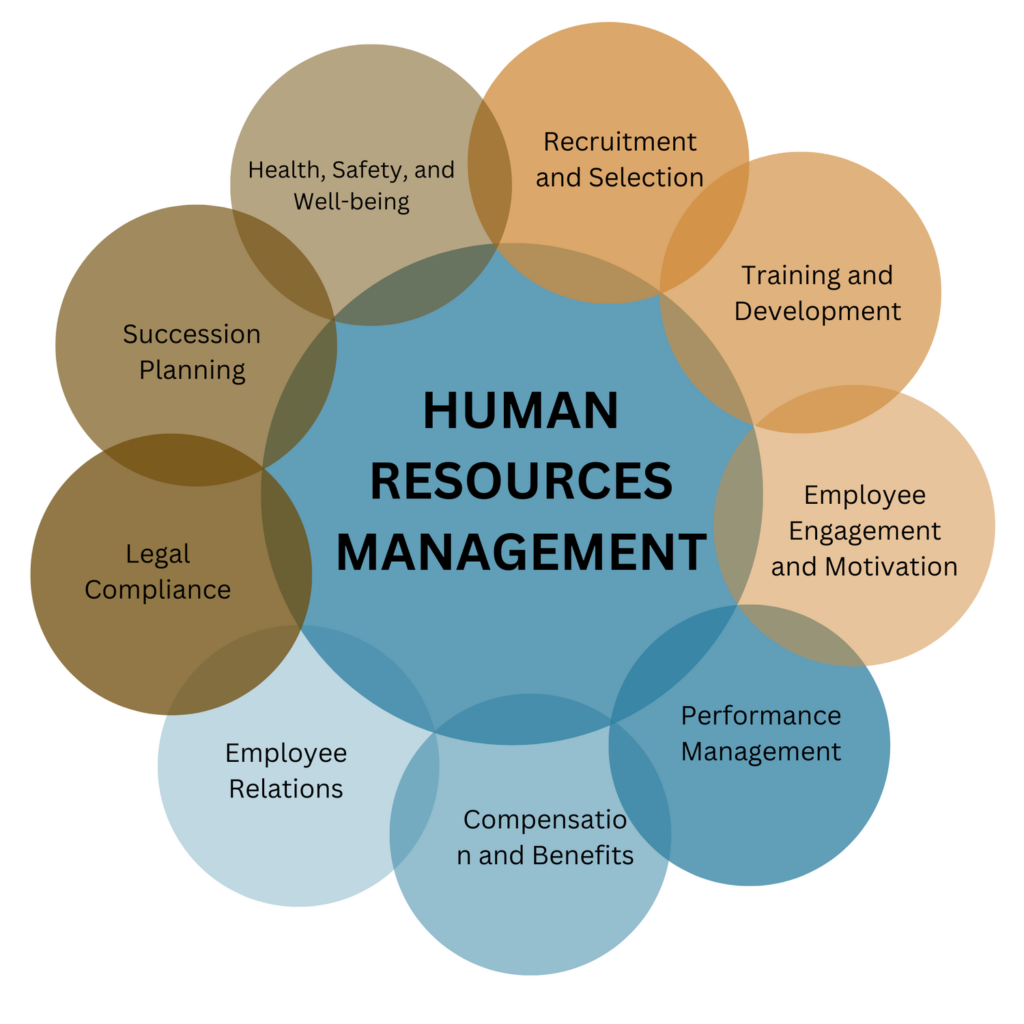
Human Resource Management (HRM) is the strategic approach to managing an organization’s most valuable asset—its employees. It involves recruiting, training, developing, and retaining talent, while ensuring that employees are engaged, motivated, and working towards the organization’s objectives. 

Professional Trainings

Empowering over 40 happy customers with customized, value-driven consulting solutions.

Benefits

HRM focuses on creating a positive work environment, managing employee relations, and aligning human capital with business goals to drive overall performance and growth. HRM also includes the implementation of policies and practices to ensure legal compliance, fairness, and employee well-being.

HRM ensures that employees are motivated, well-trained, and satisfied with their roles, leading to higher productivity and job satisfaction.

Effective HRM practices help organizations attract top talent and retain skilled employees, ensuring a competitive advantage.

HRM helps organizations stay compliant with labor laws, minimizing the risk of legal issues, penalties, and lawsuits.

HRM helps organizations plan for workforce needs by identifying skill gaps, managing succession planning, and aligning staffing levels with business goals.

HRM addresses workplace issues and disputes by providing a structured approach to conflict resolution, improving employee relations and fostering a positive work environment.

Through regular performance appraisals and feedback, HRM helps employees grow, improves productivity, and drives organizational performance.

HRM ensures that employees receive continuous development opportunities, improving their skills and knowledge, which benefits both the individual and the organization.

HRM practices focus on promoting work-life balance, mental health, and overall employee well-being, which enhances productivity and reduces absenteeism.

HRM plays a key role in shaping and maintaining a positive organizational culture that aligns with business values, mission, and goals.
Implementation Approach

Vibrant Consult ensures that the implemented ISO 9001:2015 is very much tailored for organization-specific rather than trying to fit your organization to a predefined set of forms and procedures.

Strategic Planning

Develop a clear HR strategy that aligns with the organization’s long-term business objectives and addresses workforce needs.

Workforce Analysis

Conduct an analysis of the current workforce to identify skills gaps, performance issues, and areas for improvement, which will inform recruitment and development strategies.

Recruitment and Selection

Design a robust recruitment process to attract and hire the right talent for the organization, considering both technical skills and cultural fit.

Onboarding and Orientation

Implement a comprehensive onboarding program to integrate new employees into the organization, ensuring they feel welcomed and aligned with company values and culture.

Training and Development

Create ongoing learning and development programs to upskill employees and prepare them for future roles and responsibilities within the organization.

Performance Management

Establish a performance management system that includes setting clear expectations, providing regular feedback, and conducting performance evaluations to ensure employee growth and organizational alignment.

Employee Engagement

Foster a positive work environment by implementing initiatives that encourage open communication, collaboration, recognition, and employee involvement in decision-making.

Compensation and Benefits

 Design competitive compensation and benefits packages that attract and retain top talent, while ensuring they are aligned with organizational goals and industry standards.

Employee Relations

Develop policies and practices to address employee concerns, resolve conflicts, and maintain a fair and respectful work environment.

Legal Compliance

Ensure that all HR practices adhere to labor laws and industry regulations to avoid legal risks and maintain a fair workplace.

Continuous Improvement

Regularly assess the effectiveness of HR practices and make necessary adjustments to improve employee satisfaction, retention, and overall organizational performance.

Why do we need it?

It ensures that organizations attract the right candidates, and retain top performers, which directly contributes to business success.

By managing and developing employee skills, HRM ensures employees are equipped to perform at their best, driving higher efficiency and productivity.

It helps organizations stay compliant with labor laws and regulations, reducing the risk of legal issues, penalties, or lawsuits related to employee rights and workplace standards.

It creates a culture of fairness, respect, and collaboration, which leads to higher employee morale, reduced turnover, and a more harmonious workplace.

By focusing on initiatives for work-life balance, mental health, and overall well-being, which reduces absenteeism, enhances job satisfaction, and improves employee retention.

It aligns employee goals with the organization’s business objectives, ensuring that employees contribute to overall company success, growth, and competitiveness.

By offering structured approaches to resolve workplace disputes, ensuring smooth operations and a productive work atmosphere.

It plays a critical role in guiding organizations through change, such as growth, restructuring, or mergers, by effectively managing people’s needs and expectations.

It ensures that employee performance is regularly assessed, with appropriate feedback and development opportunities, helping the workforce grow and align with organizational goals.

Scroll to Top